
Buildings Hold the Echoes, People Hold the Memory: Honoring The Human Ecosystem of the Kennedy Center
By Theresa Ruth Howard
Theresa Ruth Howard is an organizational consultant, dance writer, strategist, and former Dance Theatre of Harlem dancer. She is the founder of MoBBallet and the Oasis Dance Journal, dedicated to archiving, curating, and reshaping the ecosystem of the performing arts.
I suppose that by now we should be practiced, if not accustomed to loss. Personally, September evokes the attack on 9/11 2001, the tremendous loss of life, and the privilege that we as a country and citizens had enjoyed as “security” at least from foreign enemies. My mind goes to the global COVID-19 pandemic, which echoed the loss of life and “security” in a different form. Both not only impeded but substantively altered our personal and nationalistic concepts of safety, security, and liberty. Both changed the way we moved through the world; protocols and policies were enacted that governed how and who could participate in everything from travel to attending a concert. With time and healing, some of those practices fall away, like requiring proof of vaccination or a mask, or mutate and are sublimated into a capitalist gain like TSA PreCheck and Clear.
The battle over the Kennedy Center and its closure is a part of the compound interest earned through this current administration, which yes, has been responsible for egregious acts resulting in the loss of lives and human rights violations (however, that is for another essay). The shuttering of the Nation’s theater evokes a sense of loss in me that links emotional arms with those of the aforementioned. No, in this instance there has not been a loss of life, but there is a passing of the life’s work and contributions, and a grave loss of livelihood that will impact what a life can be in the future.
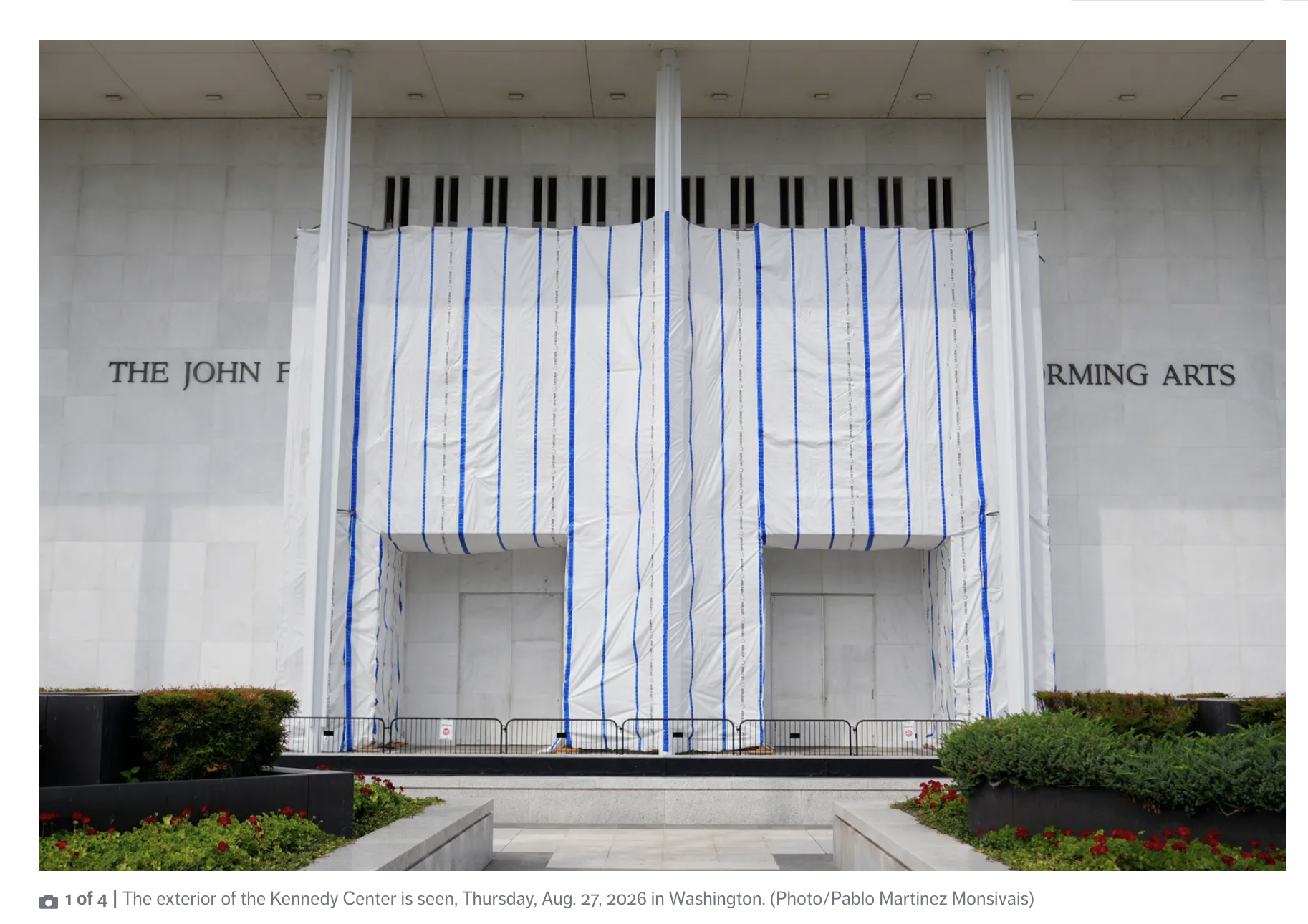
This is the humor of melancholy that settles upon me when I allow myself to think too long and hard about what is transpiring on the campus at 2700 F St NW. My mind goes to the people… As an organizational consultant and strategist, one of the philosophies I operate through and offer to collaborators is, “Organizations are not constructs, logos, or brands, but people. It is the people that animate organizations and institutions,” because without them, they are merely buildings or concepts. As a community, it is natural and accurate to highlight the possibly irrevocable impact (loss) the closing of the Kennedy Center will have on the performing arts community as a presenting body. It is understandable that we think of its function as a presenting body; its absence creates a void of possibility and opportunity for companies and productions. This is and will be a blight within our ecosystem for those companies; however, bookers gonna book, and if there is one thing we know about our community, it is that we know how to hustle and flow. As dancers we are trained to find our center, engage our core, reestablish a sense of stability (if only surface), and move through it. Resilience is in our spine.
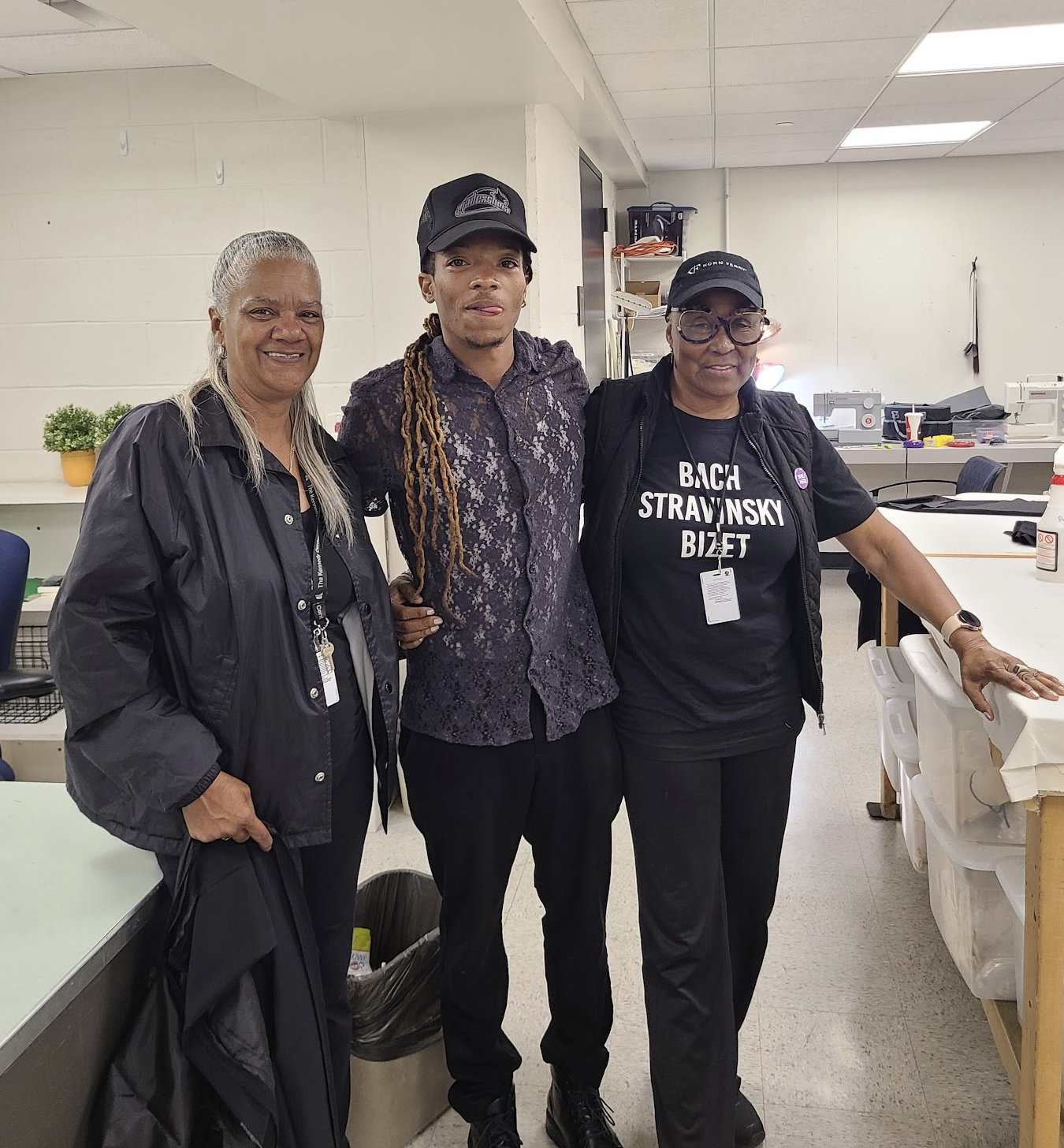
That stated, my thoughts float not to the names that would have been on the marquee, or those who load in and load out—but to the hundreds of employees who enable them to do it seamlessly. To the silent warriors, the often black-clad crew that actually load in and out, the wardrobe crew, ushers, security guards, the box office and parking garage attendants, the electricians, maintenance, and janitorial crews. They are the nameless, sometimes faceless facilitators who serve in the shadows so that the artists can shine. They are the custodians, the stewards of the institution, and they take their duties seriously.
When I think of loss, it is not only for the shows that will not be performed; it is also for the livelihoods, legacy, and institutional knowledge embodied by the everyday heroes behind the curtain. If the Center is a house, the artists are guests, but it is their home.
I have had an interesting relationship with the Kennedy Center, which began during my career as a dancer when I had the opportunity to perform at the Kennedy Center with the Dance Theatre of Harlem during its annual spring engagement of over 15 years (late ’80s–early 2000s). Recently, I was in conversation with Kevin Thomas, the Artistic Director and Co-Founder of Collage Dance Collective (Memphis, TN) and DTH alum, and we were engaged in the obligatory “check-in” at the top of our meeting. We acknowledged our mutual weltschmerz, which included news of the Kennedy Center. I brought up the “people,” to which he shared his incredulity at encountering a security guard in 2022 during the Reframing the Narrative program whom he remembered from his DTH days. I wondered if it was the same guard that I would pass regularly while in residence there with MoBBallet’s Pathways to Performance in 2024; he was jocular and engaging, and spoke of his plans to retire soon. Jamaicans say, “Soon come.” I hope it came.
I am slightly soothed by the fact that the Kennedy Center is a hybrid public/private organization, hence the 50 to 60 employees responsible primarily for facilities management, civil engineers, project managers, and security staff responsible for maintaining the physical building as a national presidential memorial are official civil servants hired under the federal government. So his pension should be secure, albeit we have learned that nothing is sacred to this administration, including living memorials.
Federal employees only make up 1/40th of those employed by the Kennedy Center; there are (were) an estimated 400 administrative staff who fall under the trust arm, with 2,000 as union and performing staff. Regardless of employment jurisdiction, the reality is that nearly 2,500 people will lose their livelihoods in a failing economy. For the past 55 years, the Kennedy Center, as the nation’s theater, has stood as a symbol of artistic freedom and nationalistic expression; it has been understood to be a non-partisan, apolitical institution. Philosophically, like the White House, it belongs to the people.
As a lifelong artist, I have had to become comfortable with instability and insecurity. I come from a generation where parents supported your love and pursuit of the arts but always warned, “Make sure you have something to fall back on.” A college degree, a vocation, or even a steady government job were goals—something consistent, reliable, a 401(k) and benefits—things that often the arts don’t readily provide. Organizations and institutions like the Kennedy Center, Madison Square Garden, the Seattle Space Needle, or the Metropolitan Museum of Art, which concomitantly are landmarks as well as nationalistic emblems of our culture and country, are tourist attractions whether publicly or privately owned. In a cultural context, they are akin to banks or car manufacturers—they are not too big to fail, rather too valuable, making them really reliable “secure employment.”
It was conceivable that one could get a job there at twenty and stay until retirement, especially in positions in operations and facilities, technical production, and the orchestra. Although the turnover on the administrative side might be higher, there are those like Raleigh, who had been with the organization for 12 years, rising to the rank of Director of Dance Programming, or Alicia B. Adams, who joined Kennedy in 1992 and served as the Vice President of International Programming and Dance at the John F. Kennedy Center for the Performing Arts. When she was relieved from her position, 30 years of institutional knowledge and experience left with her.
This is the loss that is in fact incalculable. Although we do not know how long the mainstage will be dark, we can be certain that one day the lights will be turned back on, but a theater is not a piece of machinery from which you can pull a cover off, slide some oil to it, fire it up, and expect it to run. There is no doubt that companies will come back, but albeit that is the easy part; rebuilding the “men in black”—the stagehands, electricians, technicians, the musicians, the wardrobe staff—that will be harder to assemble. They too embody the institutional knowledge that allows companies and productions to load in, trip the light fantastic, and load out seamlessly. They know their house.
This is what is truly a loss and possibly irreplaceable. Theaters are ecosystems. When we think about “art,” we tend to think about those in the light, and not those who illuminate them. We think about the dancers, but not those who play the music, or those who draw the curtain.
I had the distinct honor of entering that ecosystem as guest curator and artist-in-residence at the Kennedy Center. In 2022, as a part of her inaugural year as Director of Dance Programming, Jane Raleigh invited me and Denise Saunders Thompson to co-curate a week-long celebration of Blacks in Ballet, which would become Reframing the Narrative.
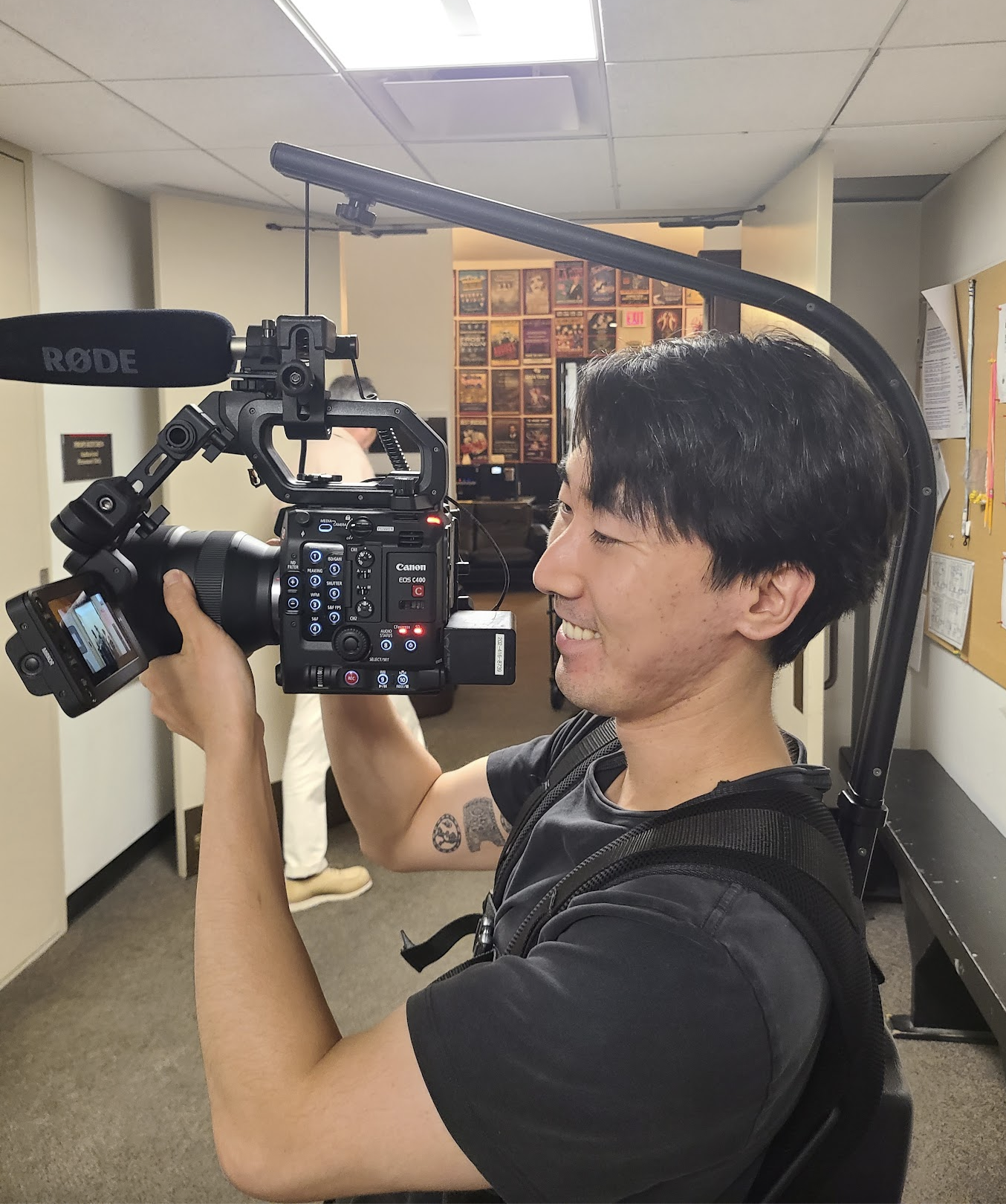
While Thompson curated the companies, my performance offering was the Reframing residency, which culled 11 international dancers paired with choreographer Donald Byrd— commissioned by the Kennedy Center. The result was the elegantly poignant From Other Suns (the title taken from the composition by Kennedy Center composer-in-residence Carlos Simon). As a part of basic marketing, the media team started shooting for a 5-minute promotional piece on the process. The result was an 18-minute documentary that would win a Silver Anthem Award.
This was the beginning of what was shaping up to be a beautiful and transformative partnership between MoBBallet and the Center. I have called my curation style invasive, because I am interested in how the program can impact or influence an organization into thinking expansively about possibilities. Raleigh and her team, Malik Burnett and Mallory Miller, were not just open to the challenge; they leaned in with alacrity.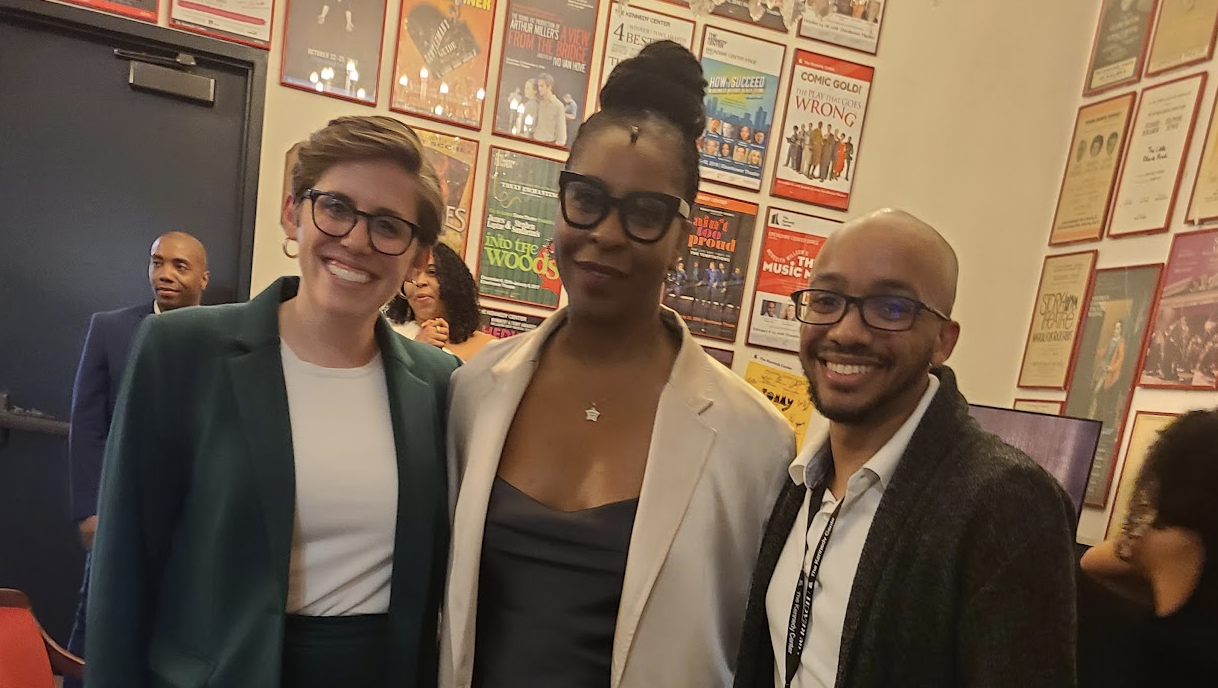
In 2024, Raleigh used the model designed in collaboration between Thompson and me to present 10,000 Dreams: A Celebration of Asian Choreography, which featured Asian choreographers. MoBBallet 2024, with Pathways to Performance: Exercises in Reframing the Narrative, was presented the week after in the Eisenhower Theater. Raleigh’s Dance Programming team produced our program debut that featured 5 Black choreographers, commissioning three new works. That same summer I held the first MoBBallet Writers Convening, which was the nascent activation that developed into the Oasis Dance Journal.

The Kennedy Center had started to feel like home, not just for us (MoBBallet and our dancers), but for our audience as well. The diversity (race, age, background) was evidence that through programming and relationship building, you can change not only the perception of an organization, but also the experience in the house. MoBBallet was slated to return to the Kennedy Center in June 2026.
The last time I was on campus was in April 2025 for a research residency at the REACH Center. At this point, things were feeling like a skeleton crew, tensions were high, and firings were generally announced on Fridays before noon. People were torn between deciding to leave on their own terms and staying to hold ground. Possession is 9/10ths of the law; however, if there is one thing we have learned, it is that laws are only as steadfast as the people charged with enforcing them. Energetically, it felt hollow. If you had told me four years ago that the Kennedy Center would feel welcoming and familiar, not just for me, but for the dancers and for Donald Byrd… In some ways, it was feeling like home with folks from the media, marketing, guards, cafeteria, and wardrobe. We might not have known one another’s names, but familiar “heys” and “you’re backs,” or just that unspoken glint of recognition in the eye. It felt… like home. Buildings may envelope you, but people embrace.
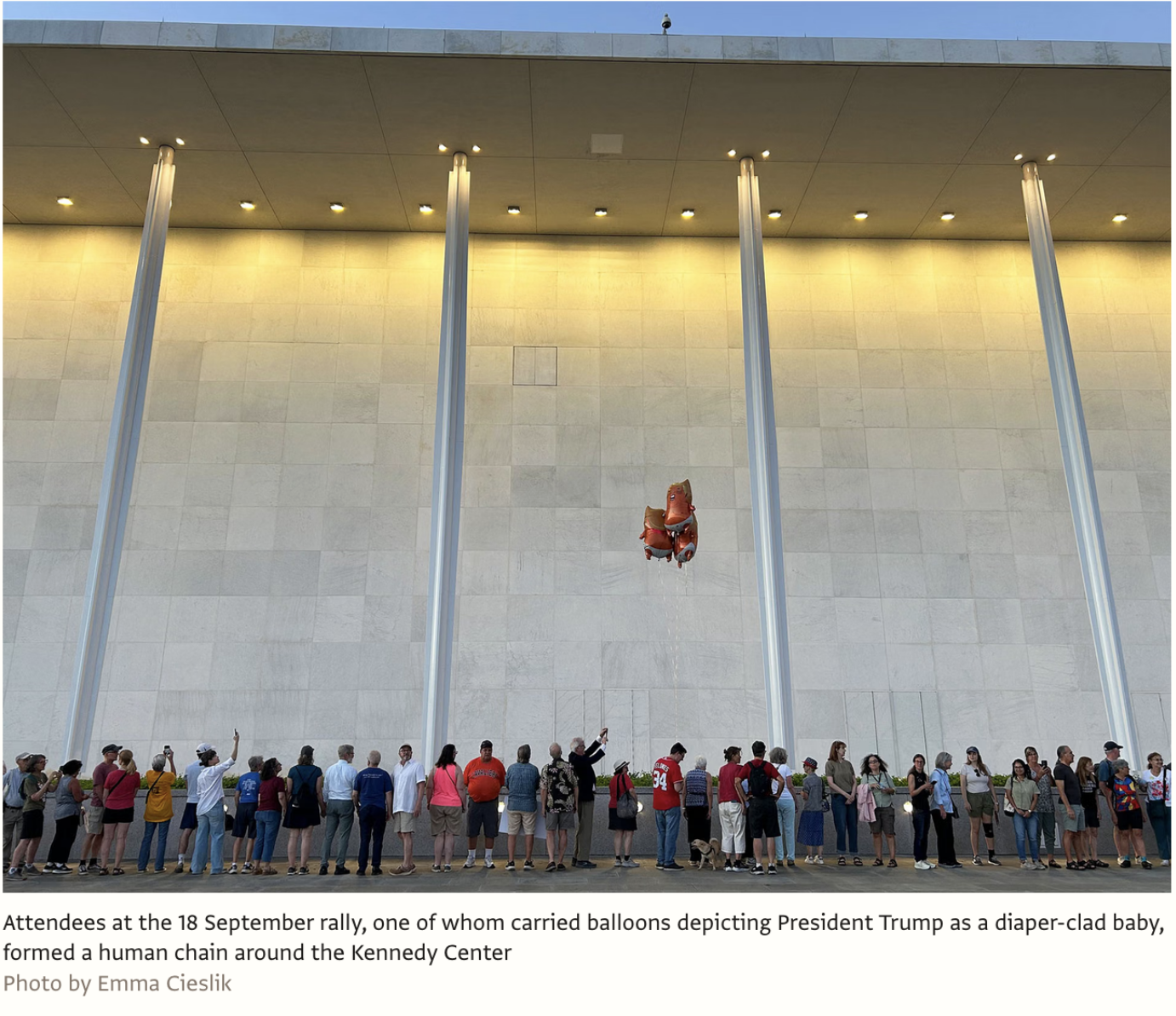
Ironically, that is exactly the “Hands Around the Kennedy Center” enacted on September 18th, as hundreds of protesters encircled the Kennedy Center in a human chain organized by the Hands Off the Arts” advocacy group, founded by co-founders Mallory Miller (formerly the Assistant Manager of Dance Programming) and Chris Raleigh (husband of former Director of Dance Programming Jane Raleigh). The protest included musical performances (no doubt by former orchestra members) and speeches from current and former Kennedy Center employees—The People.
One could imagine that from the perspective of a real estate mogul, an asset’s value is measured in square footage and location, where the prestige of a building transfers with the deed like ‘Park Place’ on a Monopoly board. This might have been the greatest miscalculation. Although the edifice designed by Edward Durell Stone is iconic, it is not where the prestige lies; rather, it is in what transpires within it—the creation and sharing of culture, a beautiful tapestry woven in collaboration by its custodians who, with honor and respect, host artists and audiences from the four corners of the world as an expression of American hospitality. The true value cannot be attributed to the 3,700 tons of white Carrara marble donated by Italy that make up its exterior facade and interior walls—but to the humanity that it surrounds.
“We, the people” identifies the subject of the document; the power and authority is our inheritance. You can take over a building, rename it, empty it of the people; you might shutter it (for a while), but what you cannot suppress is the spirit, the heart that beats within the people. You cannot will a heart to stop beating. The Grinch learned the hard way that you can’t put Christmas under a tree; even he was not impervious to the power of love. The people of the Kennedy Center—the artists, the workers, and the patrons—are a heart beating strong. Where there is a beat, there is music, and this is music that you cannot stop. You can even tear down a building, but the beat will continue; and where there is a beat, there will be dance and song that tell the story, preserve, and carry forward the culture, because organizations are people. People animate organizations; people keep memories alive.
As we find ourselves traversing a deep, dark valley, we must hold on to the fact that buildings hold the echo of the people who inhabited them. While the Kennedy Center is dark—for now—we should remember that the people are the living memorial for John F. Kennedy and for this country.